
Why Overseas Investors Buy Off-Plan Property They've Never Visited

In 2026, a buyer in London can browse a 3D walkthrough of a Dubai apartment, explore every room, check the view from the 24th floor balcony, compare two unit types side by side — and commit to a purchase worth AED 2 million. All without leaving their home. All without a single site visit.
This isn't an edge case. It's the mainstream reality of off-plan real estate in the world's most active investment markets. The majority of buyers in Dubai, the most visited off-plan market on earth, purchase remotely. International investors from 180+ nationalities are making multi-million dollar commitments to properties they have never physically entered.
For real estate developers, understanding why this happens — and what makes remote buyers confident enough to commit — is one of the most commercially important questions in the business.
This article breaks down the psychology, the motivations, and the technology that drives overseas investors to buy off-plan properties they've never visited — and what developers can do to convert more of them.
The Scale of Remote Property Investment
Remote property investment is not a niche phenomenon driven by exceptional circumstances. It is the dominant purchasing pattern in the world's most active off-plan markets:
- In Dubai, foreign buyers consistently account for 60–70%+ of all off-plan transactions — the majority purchasing remotely
- In the UK, off-plan buyers from the Middle East, Asia, and the GCC regularly purchase London new-builds without visiting
- In Malaysia, overseas buyers — particularly from the GCC and China — purchase off-plan developments in Kuala Lumpur and Johor based entirely on digital materials
- Off-plan investments typically offer 15–30% below comparable completed property prices — a financial incentive powerful enough to drive commitment without a physical visit
Many of these investors are buying remotely through power of attorney or digital contracts — legal frameworks specifically designed to facilitate cross-border property transactions without requiring physical presence. The infrastructure for remote buying exists. What determines whether an investor commits is not the mechanics — it is their confidence in what they are buying.
Why Overseas Investors Buy: The Core Motivations

1. Price Advantage Over Completed Properties
The most fundamental driver: off-plan properties are consistently priced 15–30% below comparable completed equivalents. For an investor, this represents immediate notional equity — a property purchased at AED 1.5M that will be worth AED 1.8M on completion is an appealing proposition regardless of whether you've visited it. The financial logic is clear enough to drive commitment from the spreadsheet alone.
2. Capital Appreciation During Construction
In high-growth markets like Dubai, property values increase during the construction period. Investors who enter early benefit from capital appreciation before the property is even delivered. By the time keys are handed over, the asset may already have appreciated significantly. This makes the timing of the purchase — not the physical inspection — the most critical factor.
3. Flexible Payment Plans
Off-plan developments typically offer phased payment structures — a deposit (often 10–20%) followed by construction-linked instalments. This reduces the immediate capital requirement significantly compared to purchasing a completed property, making off-plan accessible to a broader range of overseas investors who can manage payments across the construction timeline.
4. Modern Build Standards
New-build properties offer contemporary construction standards, modern amenities, lower maintenance requirements in early years, and full developer warranties. For an investor planning to rent the property, a new-build in a premium development offers lower management complexity and stronger rental demand than an older asset requiring renovation.
5. Residency and Golden Visa Pathways
In markets like Dubai, purchasing property above certain thresholds qualifies investors for residency visas — a significant additional value proposition for buyers seeking UAE residency, tax advantages, and global mobility. This strategic dimension means overseas buyers are often making a lifestyle and legal decision alongside an investment decision.
6. Currency and Market Diversification
For investors in countries experiencing currency volatility or economic uncertainty, overseas property in stable, high-demand markets provides portfolio diversification. A UK investor buying Dubai property is diversifying across currency, geography, and asset class simultaneously — a compelling risk management strategy that doesn't require a physical visit to execute.
The Psychology of Buying Something You've Never Seen

Committing millions to something you've never physically experienced is not an irrational act — it is a calculated act that requires specific psychological conditions to be met. Understanding these conditions is essential for developers who want to convert overseas buyers.
Trust in the Developer
Before a remote buyer will commit, they must trust the developer. This trust is built through track record (previous completed developments), brand reputation, testimonials from previous buyers, and the quality of all materials presented. A developer with completed projects they can reference — "we built X and Y, here they are delivered" — commands significantly higher conversion rates from remote buyers than one without a visible portfolio.
Confidence in the Product
This is where 3D visualization becomes decisive. A remote buyer cannot visit a show apartment. They cannot stand in the living room and feel the space. What they can do is explore an interactive 3D walkthrough of their specific unit — navigating every room, checking the actual balcony view from their floor, comparing the standard and premium finish options.
The research is unambiguous: remote buyers who use virtual property tours are 40% more likely to complete a purchase than those relying on static photos alone. The walkthrough doesn't replace the physical visit — it replaces the need for it.
Reduction of Uncertainty
The primary emotional barrier to a remote purchase is uncertainty — "what am I actually getting?" Every piece of information that reduces that uncertainty moves the buyer closer to commitment. High-quality visualization, accurate floor plans, material specifications, confirmed views, and clear delivery timelines all serve this purpose.
Interestingly, an interactive 3D walkthrough can actually reduce uncertainty more effectively than a physical visit to a show apartment. A show apartment shows one unit. An interactive platform shows every unit, every floor, every view — eliminating the uncertainty that comes from extrapolating from one example.
Social Proof and Peer Validation
Remote buyers pay particular attention to social proof — other investors who have purchased from the same developer, reviews of delivered developments, media coverage of completed projects. When an investor from London is considering an AED 2M commitment, the fact that 200 other investors from similar backgrounds have already purchased in the same development carries significant weight.
Urgency and Scarcity
Off-plan developments create natural urgency — unit availability decreases as sales progress, and early pricing is typically lower than later phases. For remote buyers who have done their research and built confidence, this scarcity dynamic is a genuine motivator. The combination of "I understand what I'm buying" and "this unit won't be available indefinitely" drives decisions.
What Overseas Buyers Actually Do Before Committing
Understanding the remote buyer's research journey helps developers position their marketing correctly. Here is what the data shows about how overseas investors evaluate properties before committing:
| Activity | Stat |
|---|---|
| Virtual tours reviewed before shortlisting | 8–12 average |
| Buyers who feel more confident after virtual tour | 77% |
| Uplift in purchase likelihood with virtual tour | +40% |
| More online views with 3D visualization | +118% |
| Higher engagement on property portals with 3D | +87% |
| Off-plan price discount vs completed property | 15–30% |
The typical overseas investor's research journey looks like this:
- Discovery — Property portal, Google search, social media, or agent referral
- Initial screening — Price, location, developer reputation, delivery timeline
- Deep evaluation — 3D walkthrough exploration, floor plans, material specs, view analysis
- Social validation — Developer reviews, previous project examples, peer networks
- Financial analysis — Payment plan, projected rental yield, capital appreciation estimate
- Legal verification — Developer registration, escrow arrangement, contract terms
- Commitment — Deposit payment, contract signing (often via digital signature or power of attorney)
The developer's 3D walkthrough is the central tool in step 3 — the deep evaluation phase. If it doesn't exist, is low quality, or only shows generic images rather than the buyer's specific unit, many overseas buyers will shortlist and then move on to a development where they can truly evaluate what they're buying.
What Developers Must Provide to Convert Remote Buyers

Given the remote buyer's research journey, here is what a developer needs to have in place to maximize conversion from overseas investors:
Interactive 3D Walkthrough Platform — Not static images. Not a rendered video. An interactive platform where the buyer navigates their specific unit — their floor, their view, their finish option. This is the single most important tool for remote buyer conversion. Intwopixel's 3D Sales App delivers exactly this for off-plan developers.
Accurate View Simulation — The view from a specific unit on a specific floor is often the deciding factor for high-value buyers. A platform that accurately renders the actual view — the skyline, the waterfront, the city — from the buyer's exact unit is far more persuasive than a generic "sea view" description.
Complete Developer Credentials — Portfolio of completed projects with photography, testimonials, and delivery track record. Overseas buyers conduct thorough due diligence — developers with a visible, credible history of delivery convert significantly better.
Mobile-First Experience — Overseas buyers are browsing on phones and tablets, often across time zones. If the 3D walkthrough doesn't work flawlessly on mobile, you've lost them at the evaluation stage.
Multilingual Support — Dubai's buyer base speaks English, Arabic, Russian, Chinese, Urdu, and more. A platform that supports the buyer's language removes a significant barrier to deep engagement.
CRM-Connected Lead Intelligence — When a remote buyer spends 20 minutes exploring Unit 1804 with the marina view and then submits an inquiry, your sales team should know exactly what they were looking at. CRM integration turns anonymous platform traffic into warm, contextualized leads that your team can close.
Convert More Overseas Buyers
Give your international investors the 3D experience they need to commit remotely.
The Overseas Buyer Profiles: Who Is Actually Buying Remotely?
Understanding who your remote buyers are helps developers tailor their marketing and visualization strategy:
The GCC Investor
Saudi, Kuwaiti, and Qatari investors are among the most active buyers of Dubai off-plan property. They are often familiar with Dubai, may have visited previously, and are making a financial decision as much as a lifestyle one. High quality visualization, clear financial projections, and developer credibility are the primary conversion drivers.
The UK/Europe-Based Diaspora Investor
Pakistani, Indian, Egyptian, and Levantine diaspora communities across the UK and Europe are a significant force in Dubai's off-plan market. They are often buying with dual motivations — investment return and a future connection to the region. These buyers respond strongly to high-quality visualization that helps them imagine family life in the property.
The Asian Portfolio Investor
Chinese, South Korean, and Southeast Asian investors approach off-plan property primarily as a financial asset. They are analytical, data-driven, and focused on projected rental yields and capital appreciation. For this profile, financial projections, developer track record, and market data are as important as the 3D visualization.
The Resident Expatriate Planning Ahead
A segment often overlooked: expatriates already living in markets like Dubai who are buying in a development that won't complete for 2–3 years. They may visit the sales center but the majority of their evaluation and decision-making happens digitally — especially for developments in locations they haven't recently visited.
How Intwopixel Helps Developers Convert Overseas Buyers
Intwopixel builds interactive 3D property platforms specifically designed for the remote buyer journey. Our work with developments including Burj Binghatti Jacob & Co Residences in Business Bay and HMR Waterfront demonstrates how the right platform converts international investors who will never set foot in a sales center.
Our 3D Sales App is built for exactly this use case:
- Unit-specific exploration — buyers navigate their exact unit, floor, and view
- Photorealistic 4K quality — accurate materials, lighting, and balcony perspectives
- Mobile-first — full experience on any device, any time zone
- CRM integration — buyer behavior to your sales team in real time
- 8-week delivery — ready for your launch campaign
For deeper context on how this works in the world's most active off-plan market, read our guide: 3D Property Walkthrough for Dubai Off-Plan Developments →
For the full overview of 3D visualization technology and how it works, see: complete guide to 3D real estate visualization
Frequently Asked Questions
Is it safe to buy off-plan property without visiting?
In regulated markets like Dubai, the UAE's RERA (Real Estate Regulatory Agency) provides strong protections for off-plan buyers — including mandatory escrow accounts where buyer funds are held until construction milestones are reached. Working with a RERA-registered developer significantly reduces risk. The key is thorough due diligence on the developer's track record and legal protections.
What technology do overseas buyers use to evaluate properties remotely?
The most effective tools are interactive 3D walkthroughs (which allow unit-specific navigation), high-quality exterior and interior renders, accurate floor plans, and video walkthroughs of comparable completed units. Static photos alone are increasingly insufficient for high-value purchase decisions — buyers expect to explore, not just view.
How do overseas investors complete the purchase without visiting?
Most markets with active overseas buyer bases have established legal frameworks for remote transactions — typically power of attorney arrangements (where a trusted representative signs on the buyer's behalf) or digital contract signing. Reputable developers and agencies in markets like Dubai handle this process routinely.
What is the biggest reason overseas buyers don't commit?
Uncertainty about what they are actually buying. When buyers cannot clearly visualize the specific unit — the layout, the views, the finishes — doubt prevents commitment. This is why high-quality interactive 3D visualization is the most powerful tool for converting remote buyers: it removes the uncertainty that static materials leave unresolved.
Which markets attract the most overseas off-plan buyers?
Dubai leads globally, with buyers from 180+ nationalities. The UK (particularly London) attracts strong overseas interest from the Middle East and Asia. Malaysia, Portugal, and Greece are other significant markets. Each has different buyer profiles and motivations — UAE and UK are primarily investment-driven, while Southern Europe attracts more lifestyle buyers.
How can developers improve their overseas buyer conversion rate?
The highest-impact investments are: (1) an interactive 3D walkthrough platform showing every unit specifically, (2) a strong portfolio of completed projects with photographic evidence, (3) clear financial projections and payment plan documentation, and (4) a CRM-integrated sales process that follows up on platform engagement with relevant, personalized outreach. Speak to Intwopixel about how our platform addresses all of these.
Does 3D visualization really replace the need for a physical visit?
For a significant proportion of overseas buyers — particularly experienced property investors — yes. A high-quality interactive 3D platform that accurately shows their specific unit, views, and finishes provides sufficient confidence to commit. The data supports this: remote buyers using virtual tours are 40% more likely to complete a purchase. That said, the best developers offer both — a compelling digital experience for remote buyers and an excellent physical experience for those who do visit.
Give Your International Buyers the Confidence to Commit
Convert overseas investors without requiring a site visit.
500+
Platforms delivered
38,690
Apartments sold
8 weeks
Avg. delivery
See Intwopixel's 3D Sales Platform in Action
Book a free demo and see how leading real estate developers use Intwopixel to pre-sell off-plan units before construction begins.
Related Guides:
Latest Blogs
View All Blogs →![What is a 3D Sales App for Real Estate? Complete Guide [2026]](https://res.cloudinary.com/doyx8ejwf/image/upload/f_auto,q_auto,w_1920/v1780315420/Hero_1200x630_wi6aym.webp)
What is a 3D Sales App for Real Estate? Complete Guide [2026]
A 3D sales app lets property developers showcase off-plan units with interactive walkthroughs before construction. See how leading developers use it to pre-sell faster.![3D Property Walkthrough Platform Cost: $10k–$50k Breakdown [2026]](https://res.cloudinary.com/doyx8ejwf/image/upload/f_auto,q_auto,w_1920/v1781091724/Image_1_Banner_jyeki0.webp)
3D Property Walkthrough Platform Cost: $10k–$50k Breakdown [2026]
How much does a 3D property walkthrough platform cost? We break down pricing by project size, features, and region — from $10,000 basic builds to $50,000+ enterprise solutions.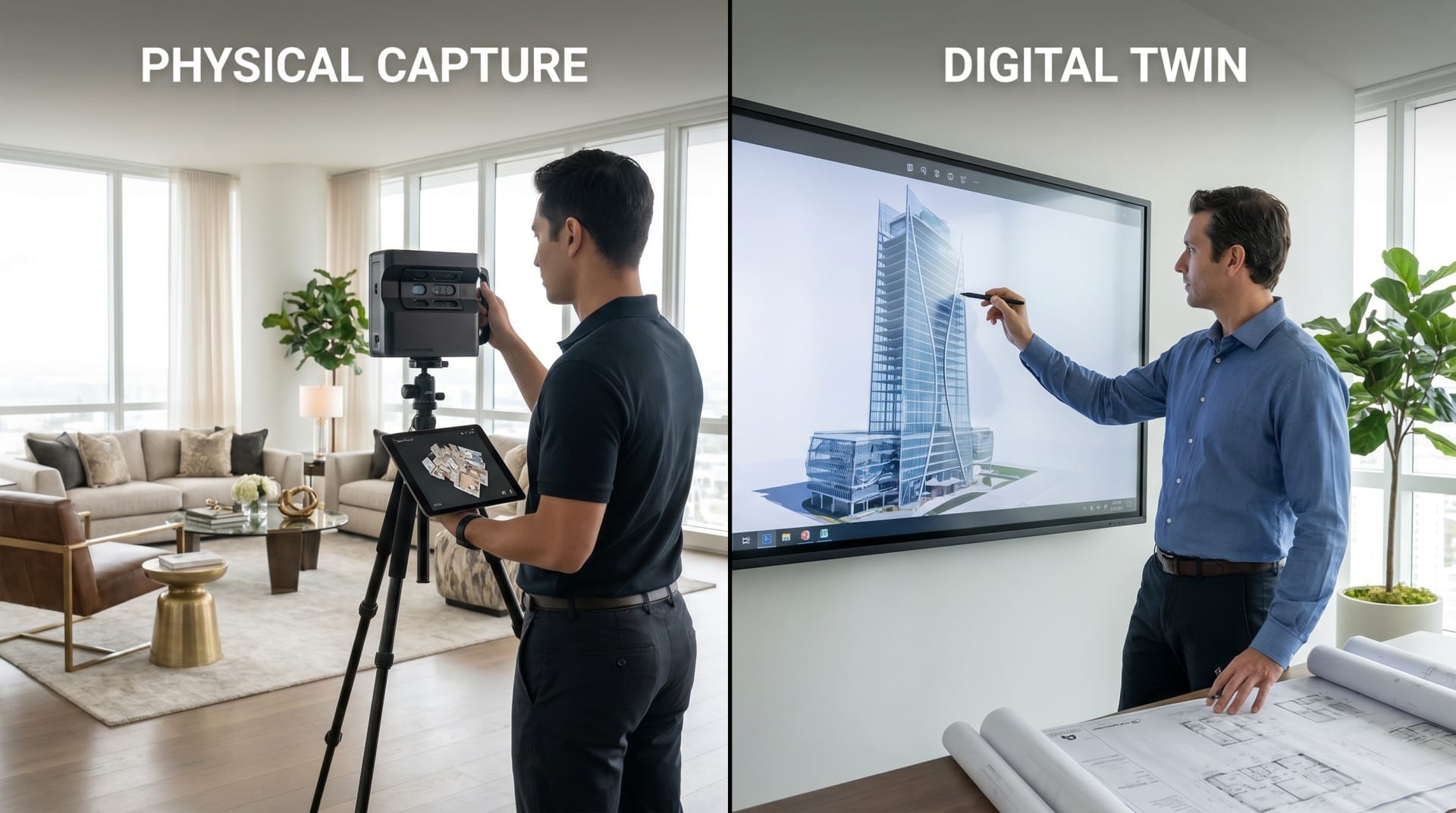
3D Property Walkthrough vs Matterport: Developer's Guide (2026)
Matterport vs interactive 3D property walkthrough platforms — honest 2026 comparison for real estate developers. Pricing, use cases, limitations, and which one actually sells off-plan properties.Developer & Investor Insights
Practical guidance for real estate developers worldwide on using interactive 3D visualization to sell off-plan properties faster and more effectively.
3D & Visualization Strategies
How architectural renders, interactive 3D walkthroughs, and virtual property tours influence buyer decisions in the global off-plan market.
Real Estate Sales Intelligence
Data-driven insights on buyer behavior, off-plan pricing psychology, and digital sales strategies for real estate developers worldwide.
Let's connect
Struggling to explain your project to buyers? Our interactive 3D walkthroughs make it easy to visualize every unit, view, and layout — before construction even begins. Share your details and we’ll guide you.
